

French Terry vs Fleece: Which Fabric Is Right for You?
French terry is a knit fabric defined by uncut loops on its interior and a smooth face on the outside, while fleece features a brushed interior that traps heat for insulation. The french terry vs fleece decision comes down to one factor: what you plan to do while wearing it. French terry suits active, mild-weather use. Fleece suits cold, static conditions. Knowing the structural difference between these two fabrics saves you from buying the wrong sweatshirt for a Canadian fall morning run or a winter evening on the couch.
1. How French terry and fleece are constructed
Both fabrics start from the same place: a knit jersey base with looped fibers on one side. What happens next is what separates them entirely.
French terry keeps those loops intact. The interior stays looped and uncut, which creates a soft, absorbent texture without adding bulk. The exterior remains smooth and flat, making it ideal for printing and everyday wear. This structure is what gives French terry its signature breathability and stretch.
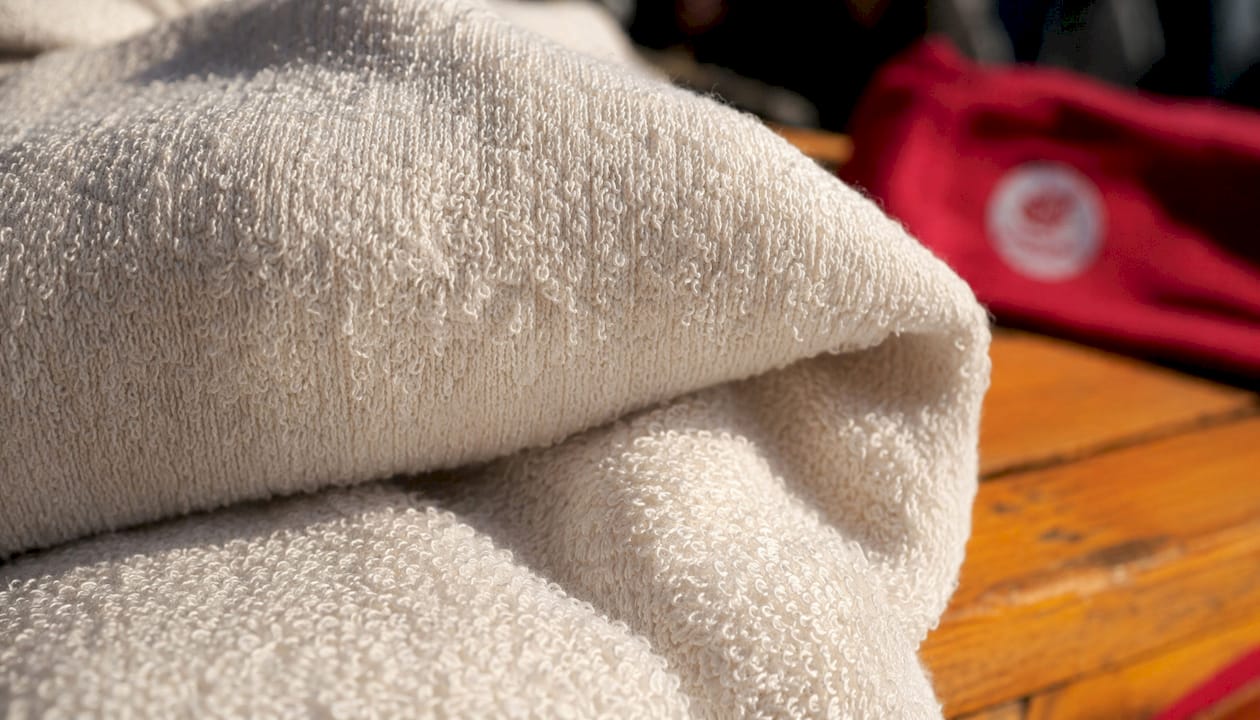
Fleece goes through a different finishing step. Mechanical brushing breaks the loops and raises the fibers into a soft pile. That pile creates loft, and loft traps air. Trapped air is what makes fleece warm. The brushing process reduces airflow by up to 50% compared to French terry’s intact loops. That is a significant trade-off between warmth and breathability.
Key structural differences at a glance:
- French terry: Looped interior, smooth face, lightweight structure, natural stretch
- Fleece: Brushed pile interior, fuzzy texture throughout, added loft, reduced airflow
- Both: Knit jersey base, available in cotton and polyester blends, used in sweatshirts and casual apparel
Pro Tip: When you feel a fabric and the inside is looped like a towel, that is French terry. If both sides feel fuzzy and soft, that is fleece.
2. Warmth, breathability, and moisture management compared
Fleece offers superior warmth because its brushed pile traps a layer of air against your body. Fleece performs best in temperatures below 10°C, making it the go-to fabric for Canadian winters, cold-weather commutes, and outdoor layering in october through march.
French terry handles moisture better. Its loopback design maximizes stretch and moisture wicking, pulling sweat away from your skin during activity. The intact loops allow air to circulate, which keeps you cooler during moderate exertion. French terry dries faster than fleece because it holds less fiber mass.
| Feature | French terry | Fleece |
|---|---|---|
| Warmth | Moderate | High |
| Breathability | High | Low to moderate |
| Moisture wicking | Strong | Moderate |
| Drying speed | Fast | Slower |
| Best season | Spring, fall, mild winter | Fall, winter |
| Best activity | Active wear, gym, casual | Loungewear, cold outdoor wear |
Pro Tip: For Canadian shoulder seasons like april and october, French terry is the smarter pick. You stay comfortable whether you are indoors or stepping outside.
3. Fabric weight (GSM) and how it affects fit and feel
GSM stands for grams per square meter. It measures how dense a fabric is, and it directly affects how a garment drapes, feels, and performs.
French terry typically ranges from 200 to 350 GSM, which puts it in the mid-weight category. That range suits transitional weather and layering well. A 240 GSM French terry sweatshirt feels substantial without being stiff. Fleece ranges from 200 to 500+ GSM, giving it a much wider spread depending on intended use.
Fleece feels heavier and bulkier than its GSM number suggests because the brushed pile adds loft. A 300 GSM fleece hoodie will feel noticeably thicker than a 300 GSM French terry sweatshirt. That extra bulk affects silhouette. Fleece creates a rounder, cozier shape. French terry drapes closer to the body with a cleaner line.
| Fabric | Typical GSM range | Perceived weight | Best use |
|---|---|---|---|
| French terry | 200–350 GSM | Medium | Layering, activewear, casual |
| Lightweight fleece | 200–280 GSM | Medium-light | Indoor lounging, mild cold |
| Mid-weight fleece | 280–380 GSM | Medium-heavy | Outdoor cold weather |
| Heavy fleece | 380–500+ GSM | Heavy | Extreme cold, outerwear |
4. Durability, pilling, shrinkage, and care
Fabric construction directly affects how long a garment looks good. French terry holds up better over time because its intact loops resist the friction that causes pilling. Fleece’s brushed fibers tend to pill and lose loft with repeated washing and wear. A fleece hoodie that looks plush on day one can look matted and worn after a season of regular use.
Shrinkage depends on fiber content more than fabric type. Cotton-rich French terry requires sanforizing, a pre-shrinking process, to maintain size after washing. Polyester fleece shrinks far less. If your French terry garment is not pre-shrunk, wash it in cold water on the first cycle.
Care recommendations by fabric:
- French terry: Cold wash, tumble dry low, avoid high heat to prevent shrinkage in cotton blends
- Fleece: Wash inside out to reduce pilling, avoid fabric softener (it flattens the pile), air dry when possible
- Both: Skip bleach, wash with similar fabrics to reduce lint transfer
- Fleece-specific: Use a lint roller regularly; fleece sheds lint and accumulates it from other garments
5. Decoration, printing, and apparel design
The surface of a fabric determines how well it holds a print or embroidery. French terry’s smooth face suits fine screen printing and embroidery better than fleece. The flat exterior gives ink and thread a clean, even surface to adhere to. Detailed graphics and small text stay sharp on French terry.
Fleece presents a challenge for decoration. The pile creates an uneven surface that can distort fine details in screen prints. Embroidery on fleece requires heavier stabilizers to prevent the needle from sinking into the pile. Simpler, bolder graphics work better on fleece than intricate designs.
Silhouette and style also differ between the two fabrics:
- French terry creates a structured, clean drape. It suits minimalist streetwear, fitted joggers, and casual pieces with graphic prints. A star-printed zip-up hoodie in French terry holds its design crisply.
- Fleece creates a voluminous, cozy silhouette. It suits oversized hoodies, pullovers, and cold-weather outerwear where warmth matters more than structure.
- Brand positioning follows the fabric. French terry signals athletic versatility. Fleece signals warmth and comfort.
Pro Tip: If you want a sweatshirt that looks as good after 50 washes as it did on day one, choose French terry. The smooth face resists wear and holds its print far longer than fleece.
Key Takeaways
The right choice between French terry and fleece depends on your activity level, climate, and how long you want the garment to look good.
| Point | Details |
|---|---|
| Construction defines performance | French terry keeps loops intact for breathability; fleece brushes them into pile for warmth. |
| Temperature guides the choice | Fleece suits temperatures below 10°C; French terry works best in mild, transitional weather. |
| GSM affects feel, not just weight | Fleece feels bulkier than its GSM suggests due to pile loft; French terry drapes closer to the body. |
| French terry lasts longer | Intact loops resist pilling; fleece sheds and mats with repeated washing. |
| Printing favors French terry | The smooth face holds fine screen prints and embroidery better than fleece’s textured pile. |
My honest take on picking the right fabric
The biggest mistake I see shoppers make is choosing fleece because it feels softer in the store. Softness at the point of purchase is not a reliable guide to performance or longevity. Fabric choice should be driven by end-use environment, not how plush something feels on a hanger.
For most Canadians, French terry covers more of the year than fleece does. Spring, summer evenings, fall, and mild winter days all fall within French terry’s range. A quality French terry sweatshirt or casual loungewear set works for a morning workout, a coffee run, and an afternoon at the office without overheating you.
Fleece earns its place in a wardrobe, but it is a specialist. Use it when temperatures drop hard and you need real insulation. Layering a fleece zip-up over a French terry base layer is one of the most practical cold-weather combinations you can build. The French terry wicks moisture from your skin. The fleece locks heat in from outside.
The misconception that heavier always means warmer also trips people up. A high-GSM French terry piece can feel substantial without trapping heat the way fleece does. Weight and warmth are not the same thing. Structure is what creates warmth, and fleece’s brushed pile structure is purpose-built for it.
Buy French terry for versatility. Buy fleece for cold. Buy both if you live in Canada.
— EhDeals
Apparel that puts these fabrics to work
Knowing the difference between these two fabrics is useful. Wearing the right one is better.
Ehdealscanada carries casual and athletic apparel built for real wear across Canadian seasons. The DualCozy Hoodie delivers the smooth texture and structured drape that French terry is known for, while the Men’s Fleece Color Hoodie brings the insulating warmth fleece is built for. Whether you are after breathable everyday layers or cold-weather comfort, the full collection at Ehdealscanada covers both ends of the spectrum at prices that make stocking up on both fabrics an easy call.
FAQ
What is French terry fabric?
French terry is a knit fabric with uncut loops on the interior and a smooth, flat exterior. The looped interior adds softness and moisture absorption without the bulk of fleece.
Which is warmer, fleece or French terry?
Fleece is warmer. Its brushed pile traps air and provides insulation, making it the better choice for temperatures below 10°C.
What are fleece joggers made of?
Fleece joggers are typically made from polyester or a cotton-polyester blend that has been mechanically brushed to create a soft, insulating pile on the interior.
What are the main benefits of French terry for clothing?
French terry offers high breathability, natural stretch, fast drying, and a smooth face that holds screen prints and embroidery well. These qualities make it a strong choice for activewear and casual everyday garments.
Does French terry shrink more than fleece?
Cotton-rich French terry shrinks more than polyester fleece and requires sanforizing to maintain its size after washing. Washing in cold water on the first cycle reduces shrinkage risk.